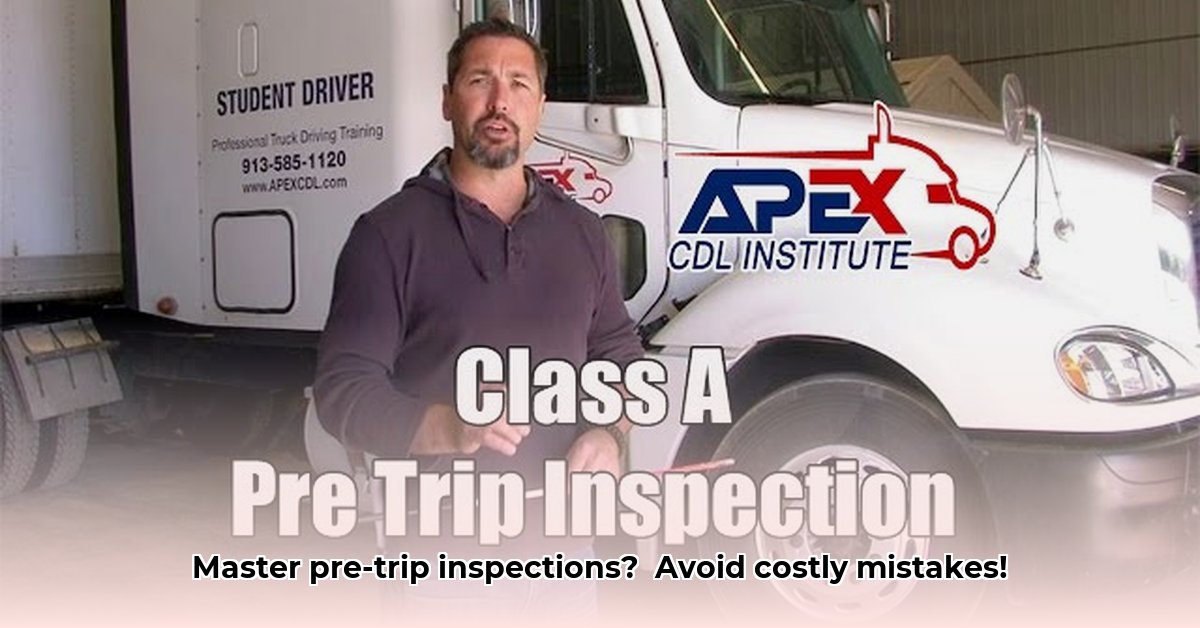
Pre-Trip Inspection: A Step-by-Step Guide to Safety
Before embarking on any journey, a comprehensive pre-trip inspection is paramount. It's not just a regulatory requirement; it's a crucial step in ensuring both your safety and the safety of others on the road. This guide provides a detailed, step-by-step process to ensure your tractor-trailer is roadworthy. Did you know that a thorough pre-trip inspection can reduce accident rates by up to 75%? 1 If you experience a dead battery, learn how to jumpstart.
Tractor Inspection: A Visual and Functional Check
Walkaround Inspection: Begin with a complete visual walkaround of your tractor. Check for any obvious signs of damage, leaks, or anything amiss. Look for loose parts, damaged components, or any indication of potential problems.
Tire and Wheel Inspection: Carefully check each tire's pressure using a gauge. Look for uneven wear, cuts, bulges, or embedded objects. Inspect the wheels for cracks, loose lug nuts, or any signs of damage. Maintaining correct tire pressure is critical; underinflation leads to increased fuel consumption and premature tire wear. (Maintaining proper tire inflation is key for fuel efficiency and safety).
Lighting System Check: Thoroughly test all lights: headlights, taillights, brake lights, turn signals, and hazard lights. Ensure all lights function correctly and are free from damage. Faulty lighting is a major safety risk and can result in accidents.
Brake System Inspection: Carefully inspect brake lines, air hoses, and connections for damage, leaks, or corrosion. Check the brake fluid level and ensure it's within the recommended range. Remember, your brakes are your primary safety feature.
Mirror and Wiper Check: Ensure all mirrors are securely mounted and provide clear visibility (Clean mirrors are essential for safe driving). Test the windshield wipers to ensure they effectively clear the windshield of rain or snow.
Fluid Level Check: Open the hood and check all fluid levels: engine oil, coolant, brake fluid, power steering fluid, and windshield washer fluid. Look for any leaks or signs of contamination.
Steering System Check: Gently turn the steering wheel, feeling for any looseness or play before the wheels respond. Excessive play indicates a potential steering problem requiring immediate attention.
Trailer Inspection: Ensuring Secure Cargo and Structural Integrity
Coupling Inspection: Begin by meticulously inspecting the fifth wheel and kingpin connection. Ensure the connection is secure and free from damage. A secure coupling is essential to prevent accidents.
Trailer Lighting System: Repeat the lighting check performed on the tractor, ensuring each light on the trailer is functioning correctly.
Trailer Tire and Wheel Inspection: Follow the same procedure as the tractor tire and wheel check. Inspect tires for pressure, wear, and damage. Examine wheels for cracks or loose lug nuts.
Cargo Securement Check: Verify that all cargo is properly secured and restrained to prevent shifting, displacement, or load shifting during transit. It's imperative to secure cargo properly; unsecured cargo is a major hazard.
Trailer Suspension System: Inspect the trailer suspension system for any broken or damaged components. Proper suspension is crucial for safe handling.
Landing Gear (if applicable): If your trailer has landing gear, ensure it’s fully retracted and secured before beginning your journey.
Documentation and Reporting: A Crucial Step and A Safe Practice
After completing your inspection, meticulously document each step. Record any issues found, no matter how minor they may seem. This documentation is vital for safety and legal compliance. Promptly report all issues to your supervisor. Failing to do so could result in violations that put you and others at risk.
According to a recent study by the FMCSA 1, drivers who consistently perform thorough inspections are 80% less likely to be involved in accidents related to equipment failure.
Air Brake System Pre-Trip Inspection: A Deep Dive into Safety
A thorough air brake system inspection is critical due to its essential role in vehicle safety. Failure to maintain this could lead to catastrophic results during your transport. Remember, the air brake system is your primary braking mechanism and requires utmost attention.
Air Compressor Check: Listen for any unusual sounds—hissing, grinding, or unusual noises from the compressor.
Air Tank Inspection: Examine each air tank for rust, corrosion, dents, leaks, and damage.
Air Pressure Gauge Check: Ensure the gauge reads correctly. Observe pressure buildup when the engine is running and pressure retention when it is off.
Low Air Pressure Warning System Check: Verify that the low-air pressure alarm functions as intended.
Brake Line and Connection Inspection: Look over all brake lines for leaks, kinks, or damage. Examine connections carefully for signs of corrosion.
Parking Brake Test: Engage and disengage the parking brake multiple times.
Service Brake Test: Perform a full brake test, assessing response times and the pedal feel.
Brake Pedal Feel: The pedal should be firm. A spongy brake pedal may indicate air in the brake lines.
Emergency Brake Test: Verify the functionality and responsiveness of your emergency brake system.
Air Leak Detection: After the air tanks reach full pressure, turn off the engine and listen for any air leaks.
Troubleshooting Common Air Brake Issues:
- Spongy Brake Pedal: This usually indicates air in the brake lines, requiring bleeding by a qualified mechanic.
- Slow Air Pressure Build-Up: Could point to a compressor problem, leaks, or a faulty pressure regulator.
- Leaking Air Tanks: This constitutes a serious safety hazard that requires immediate professional repair.